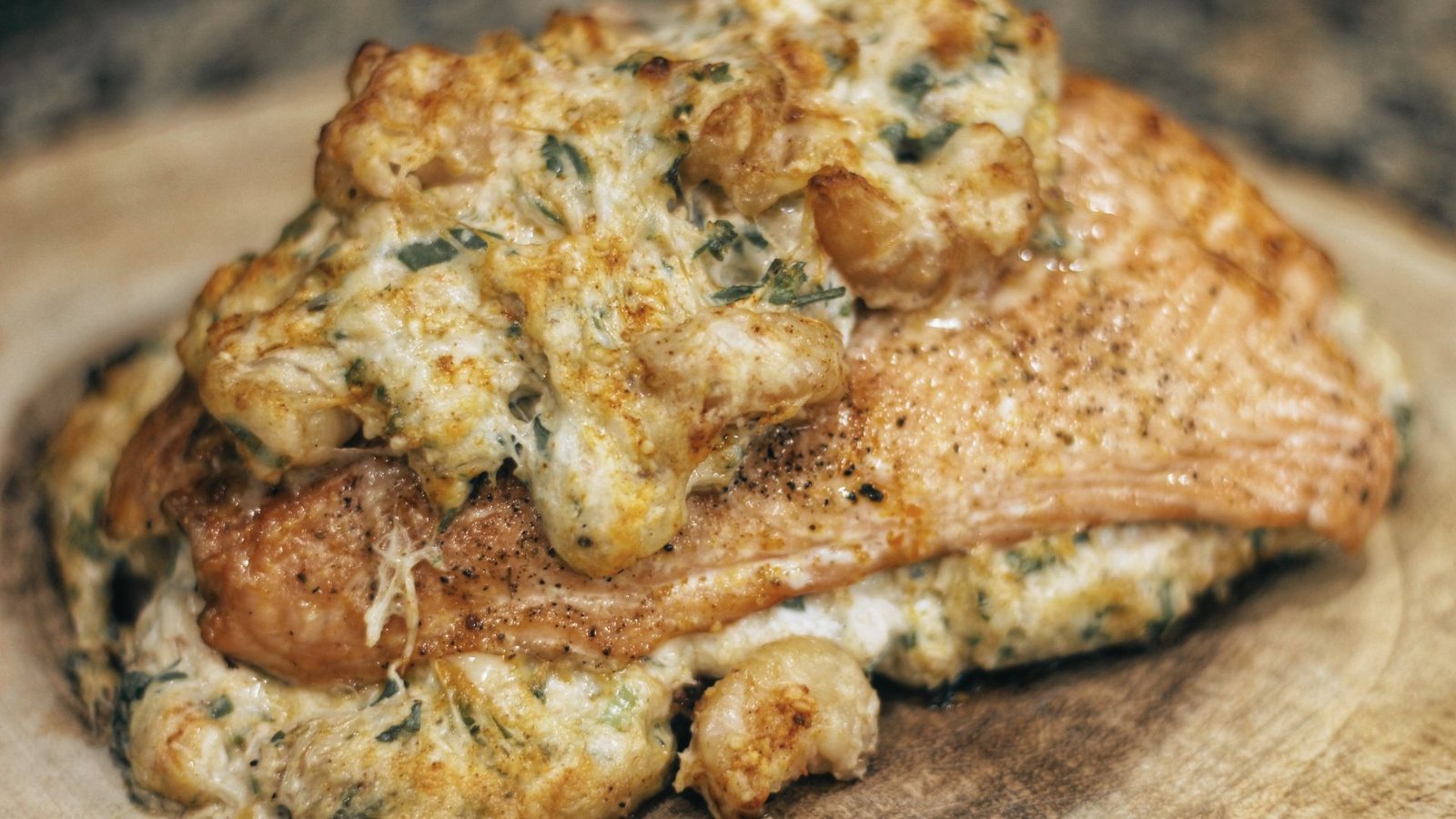
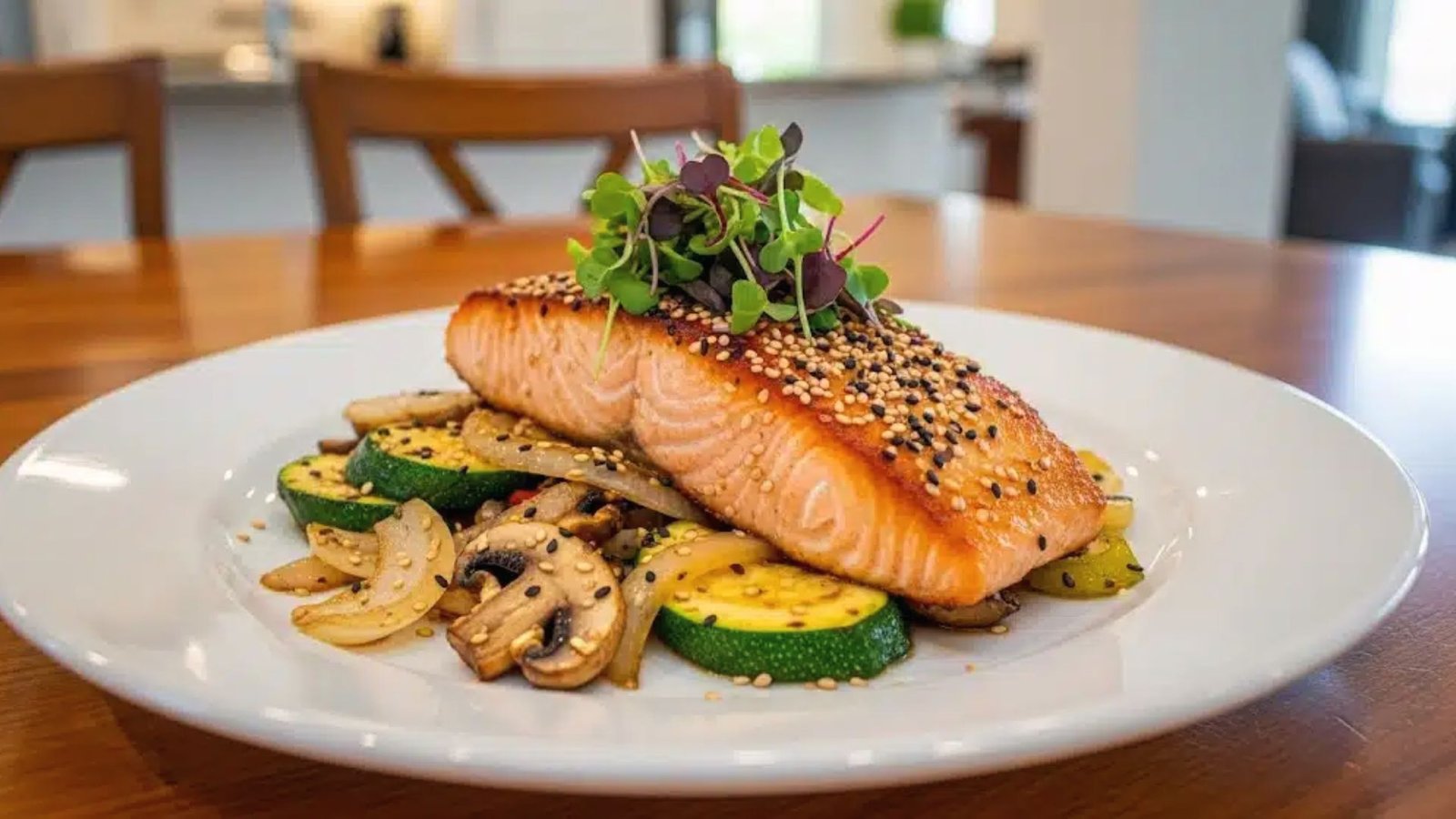
I love hibachi salmon, the smoky butter, the savory soy glaze, it hits every time. Most people think you need a fancy steakhouse grill to make it, but you don't.
In this article, I'll show you exactly how to make hibachi salmon recipe (Japanese steakhouse style) right in your kitchen, covering what it is, why it's a steakhouse favorite, and how to make it step by step.
No special equipment needed. I've tested this recipe multiple times to get the flavor just right. Simple ingredients. Real results.
Everything You Need to Know About Hibachi Salmon Recipe
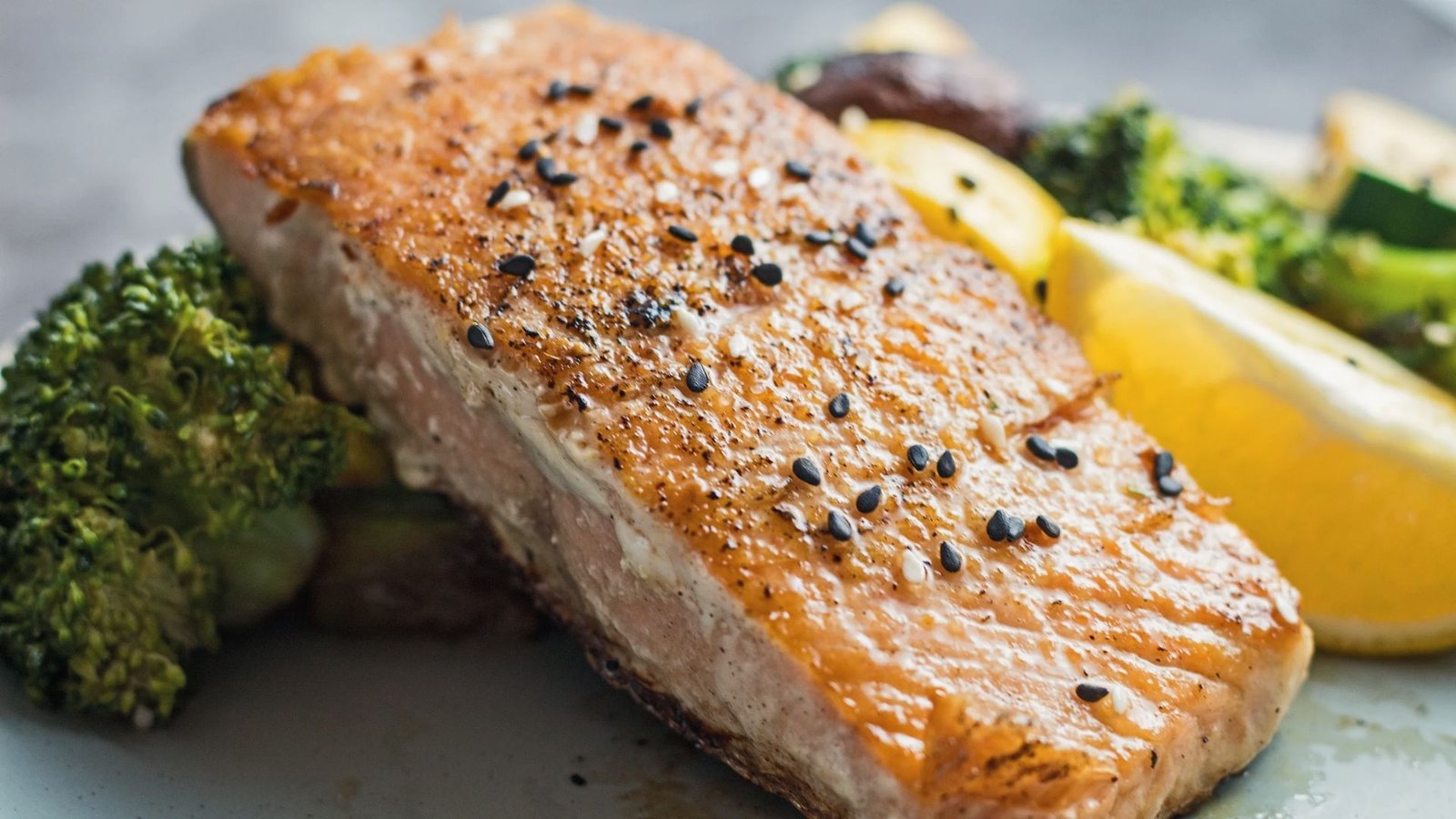
Hibachi salmon is a Japanese steakhouse classic that more people are making at home.
It uses simple ingredients like soy sauce, garlic, ginger, butter, and lemon to build a bold, savory flavor. The cooking method relies on high heat to sear the salmon fast and lock in moisture.
You get a golden crust on the outside and tender, flaky fish on the inside. The sauce ties everything together with a rich, buttery glaze.
Once you try it, it becomes one of those meals you keep coming back to.
Hibachi Salmon Recipe Easy Ingredients Breakdown
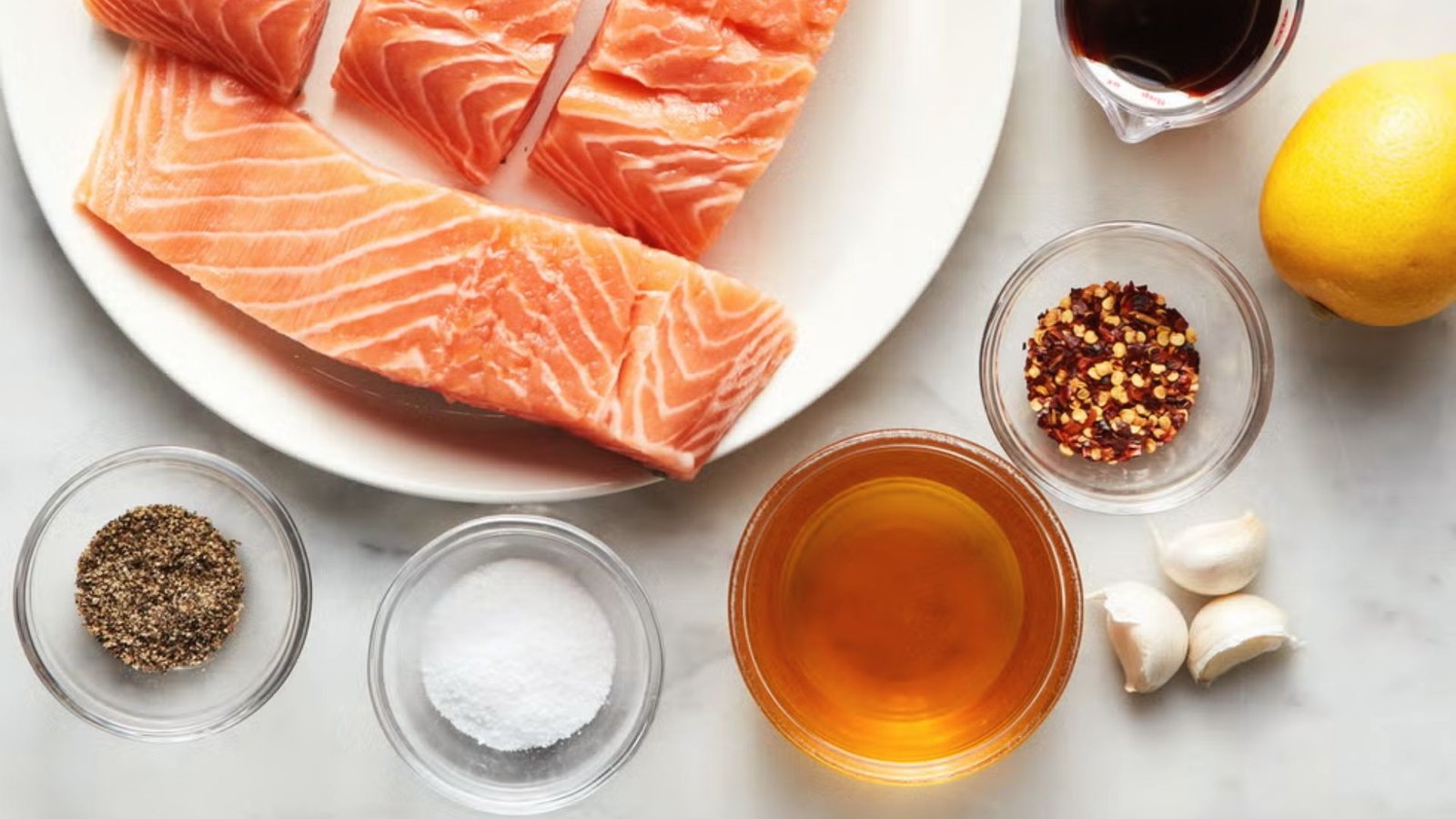
Know what goes into this dish and why each ingredient plays an important role.
Essential Ingredients
You only need a few basics to get started:
- Salmon fillets fresh or thawed, skin on or off
- Avocado oil or vegetable oil for high heat searing
- Butter added at the end for richness
- Salt and pepper light seasoning before cooking
That's it for the base. Simple and easy to find.
Japanese Hibachi Sauce Ingredients
The sauce is where all the flavor comes from.
Here's what you need:
- Soy sauce the backbone of the sauce
- Fresh garlic minced, not powdered
- Fresh ginger grated for a clean, sharp flavor
- Lemon juice adds brightness and cuts through the fat
- Rice vinegar or mirin for a mild tangy note
- Honey optional, balances the saltiness
Fresh garlic and ginger make a big difference here. Don't skip them.
Substitutes and Variations
Need to swap something out?
Here are easy options:
- Tamari instead of soy sauce for a gluten-free version
- Lime juice instead of lemon for a slightly different tang
- Tilapia, cod, or shrimp work well if you don't have salmon
- Maple syrup instead of honey for a different kind of sweetness
This recipe is flexible. Work with what you have.
How to Make Hibachi Salmon Recipe Japanese Style
Follow these simple steps to get that smoky, buttery steakhouse taste right at home.
Step 1: Prepare the Salmon
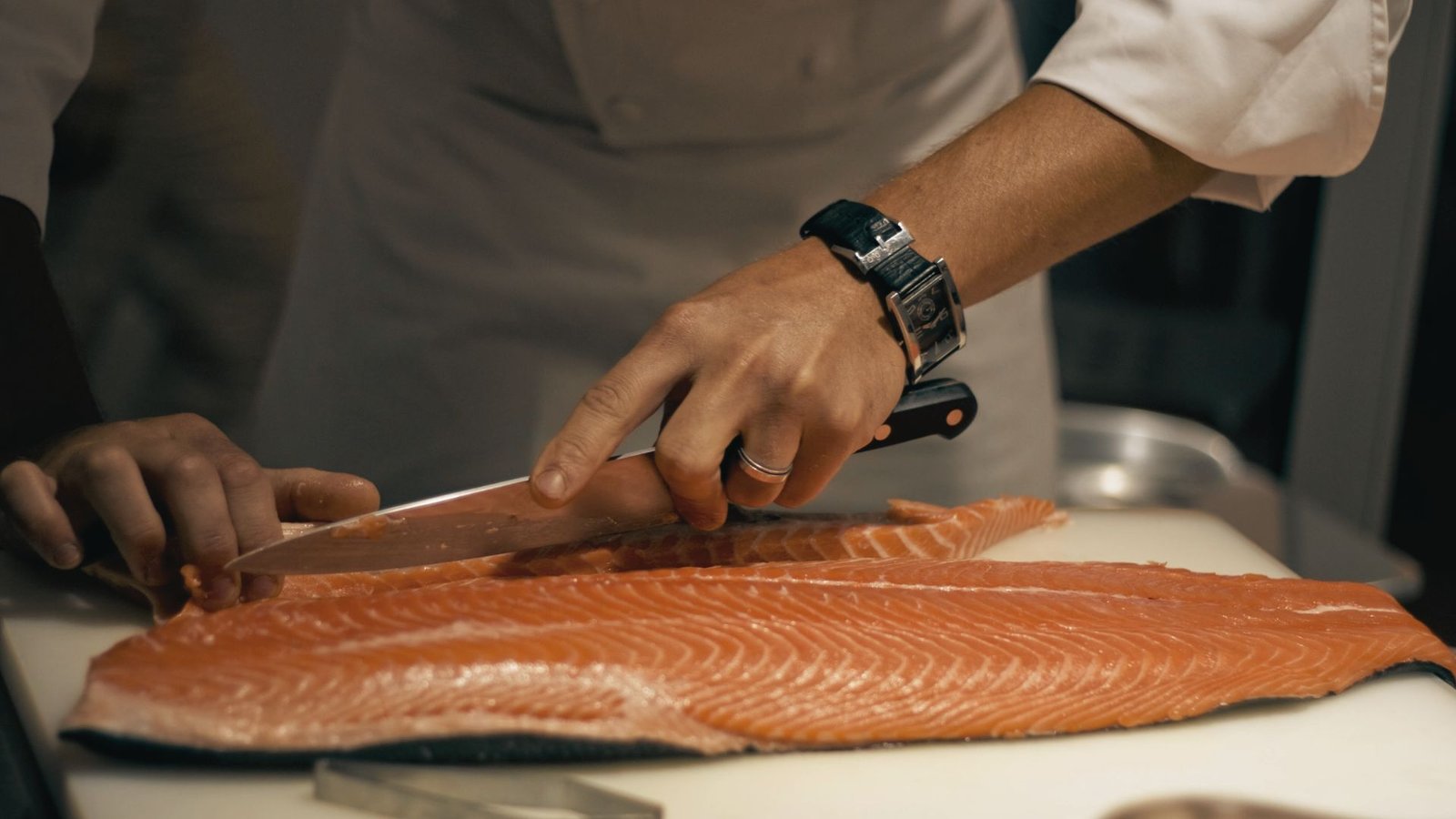
Start with fresh or thawed salmon fillets. Pat them completely dry using a paper towel. This step matters. Dry salmon sears better and gives you that golden crust you want.
You can keep the fillets whole or cut them into chunks. Both work well. Season lightly with salt and pepper.
Don't overdo it; the sauce adds most of the flavor later.
Step 2: Sear the Salmon on High Heat
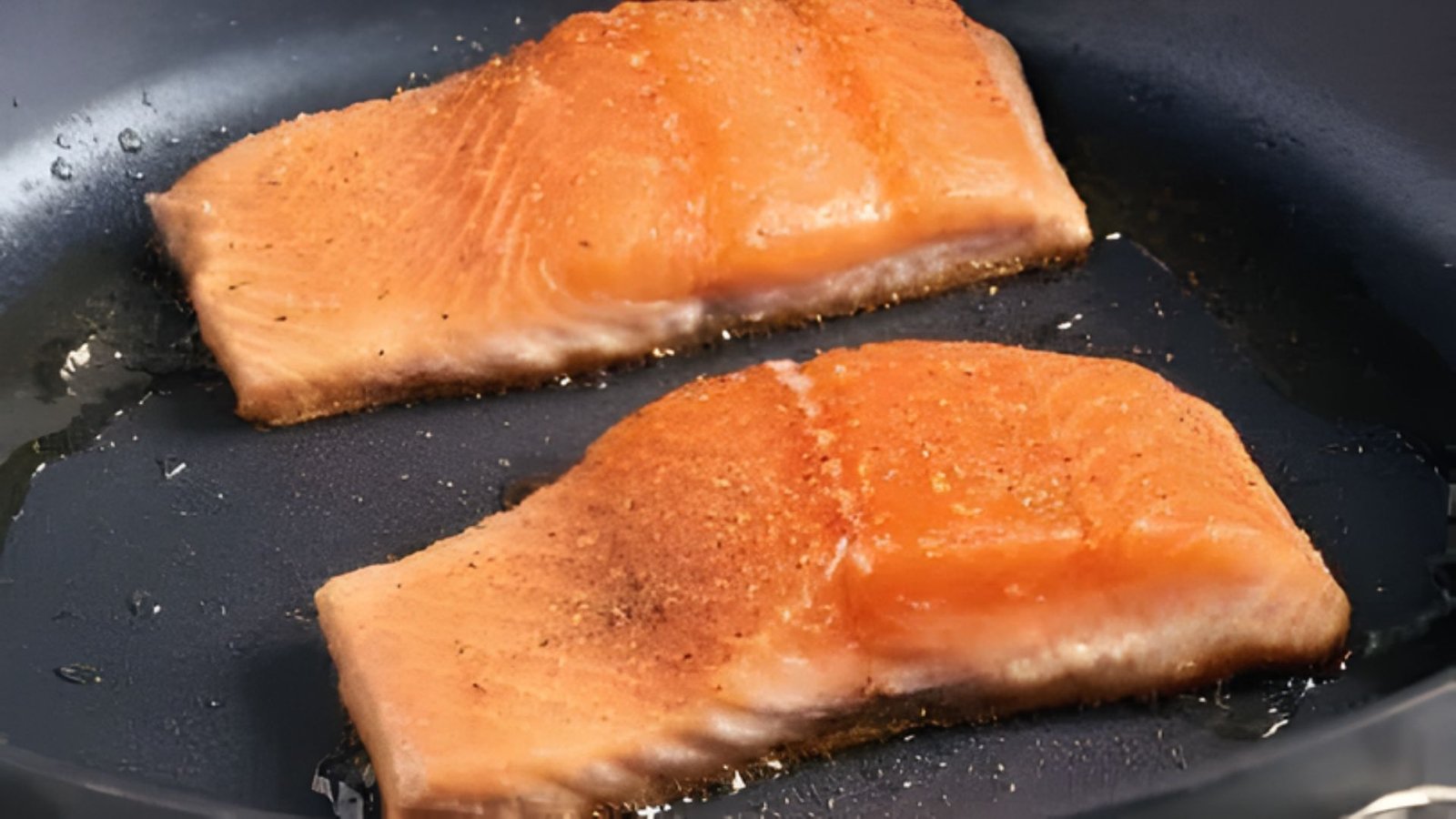
Heat your pan on high. Use a cast iron or stainless steel pan for best results. Add a high smoke point oil like avocado or vegetable oil.
Once the oil is hot, place the salmon in a single layer. Do not crowd the pan. Let it cook without moving it for two to three minutes.
You want a deep golden crust on the outside. Flip once and cook the other side briefly.
Step 3: Make the Hibachi Sauce
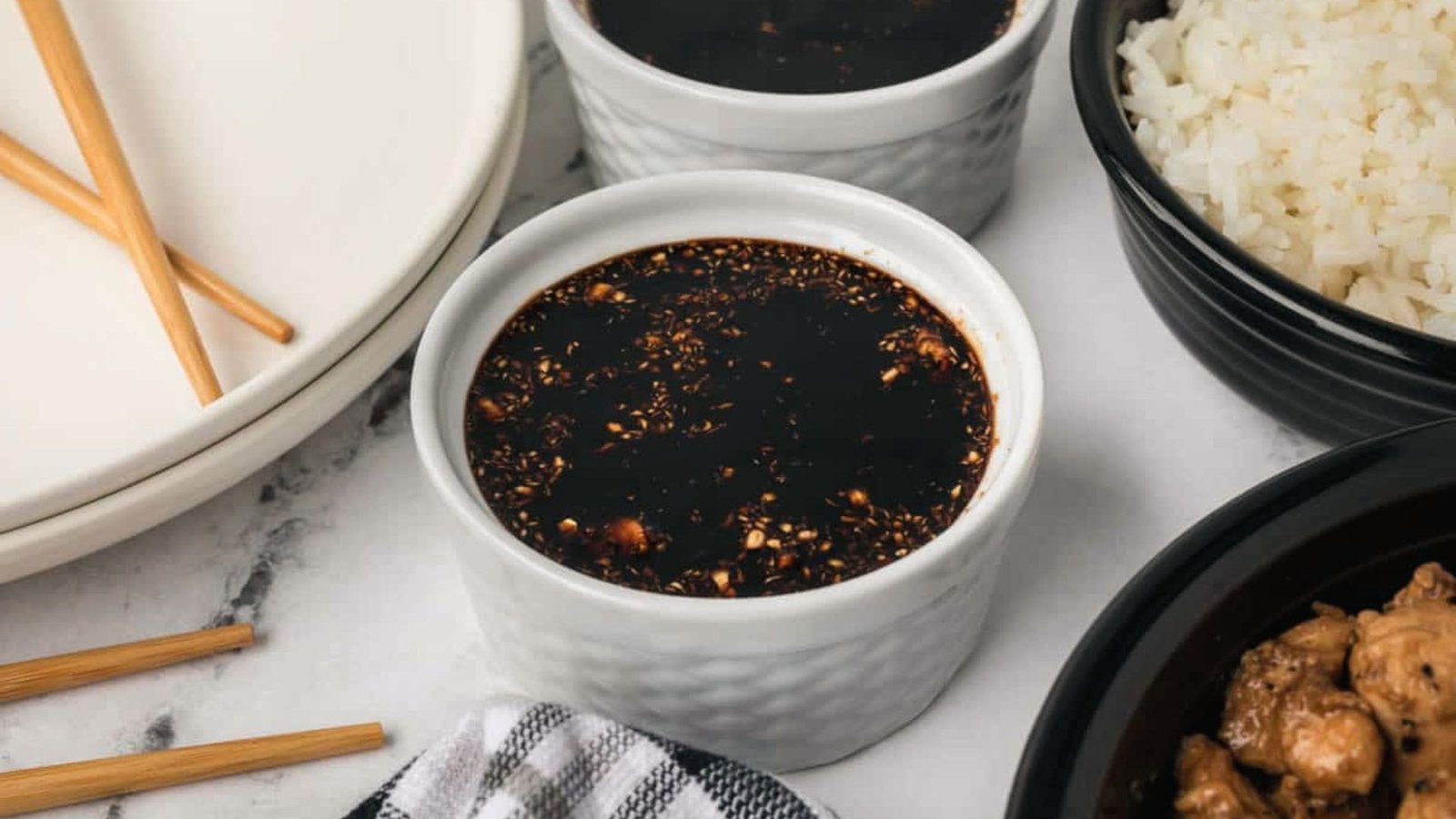
In a small bowl, mix together soy sauce, fresh minced garlic, fresh grated ginger, lemon juice, and a splash of rice wine or mirin.
Add a small drizzle of honey if you want a little sweetness to balance the salt. Stir it well, give it a taste, and adjust until it feels savory, slightly tangy, and just a little sweet.
Step 4: Combine and Finish Like a Japanese Steakhouse
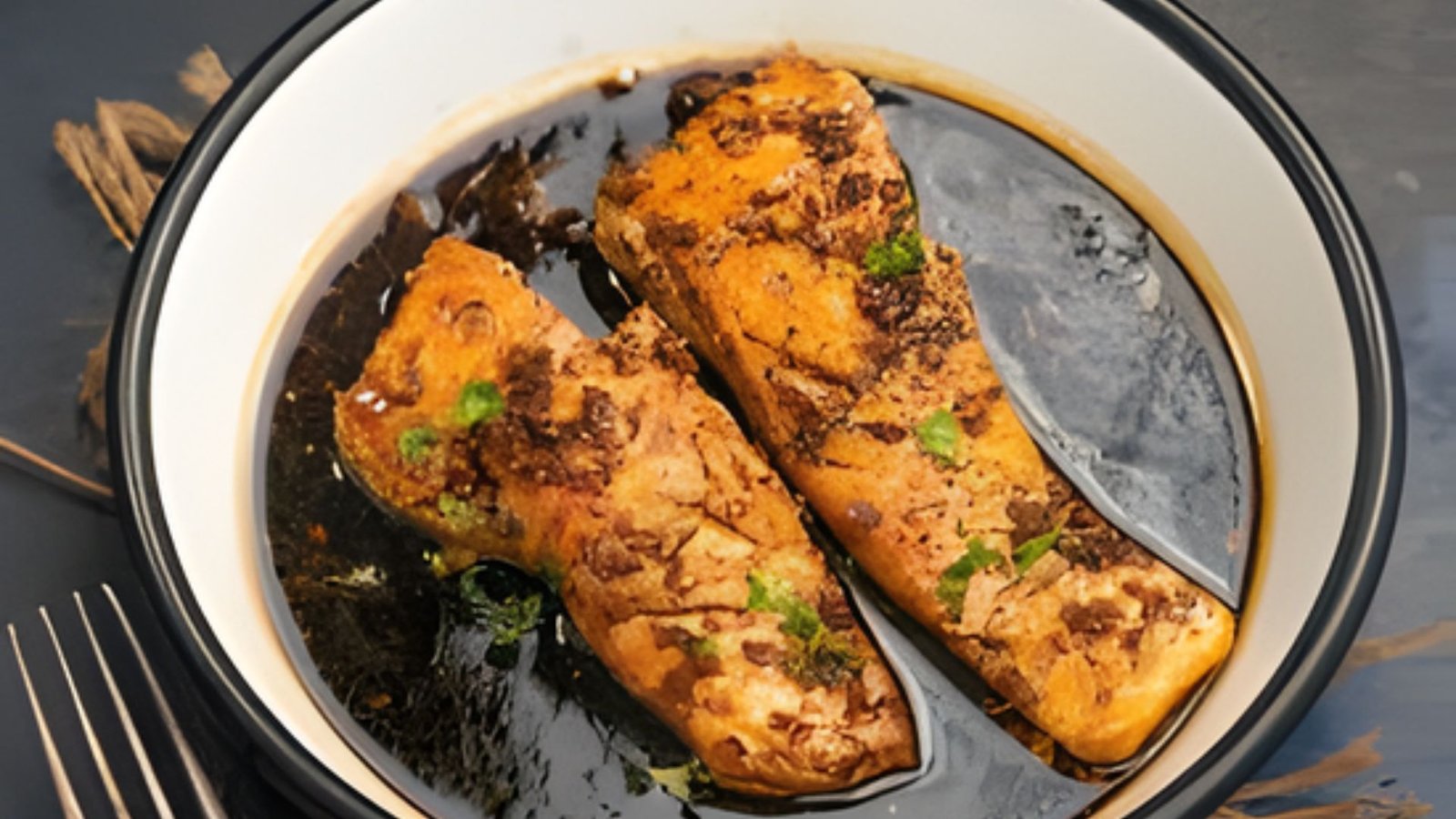
Pour the sauce over the seared salmon in the pan. Let it bubble for about a minute on medium heat. Add a small knob of butter at the end.
Tilt the pan and spoon the sauce over the salmon as it melts.
This is what gives it that rich, glossy steakhouse finish. Serve right away.
How to Know When Hibachi Salmon Is Cooked Perfectly
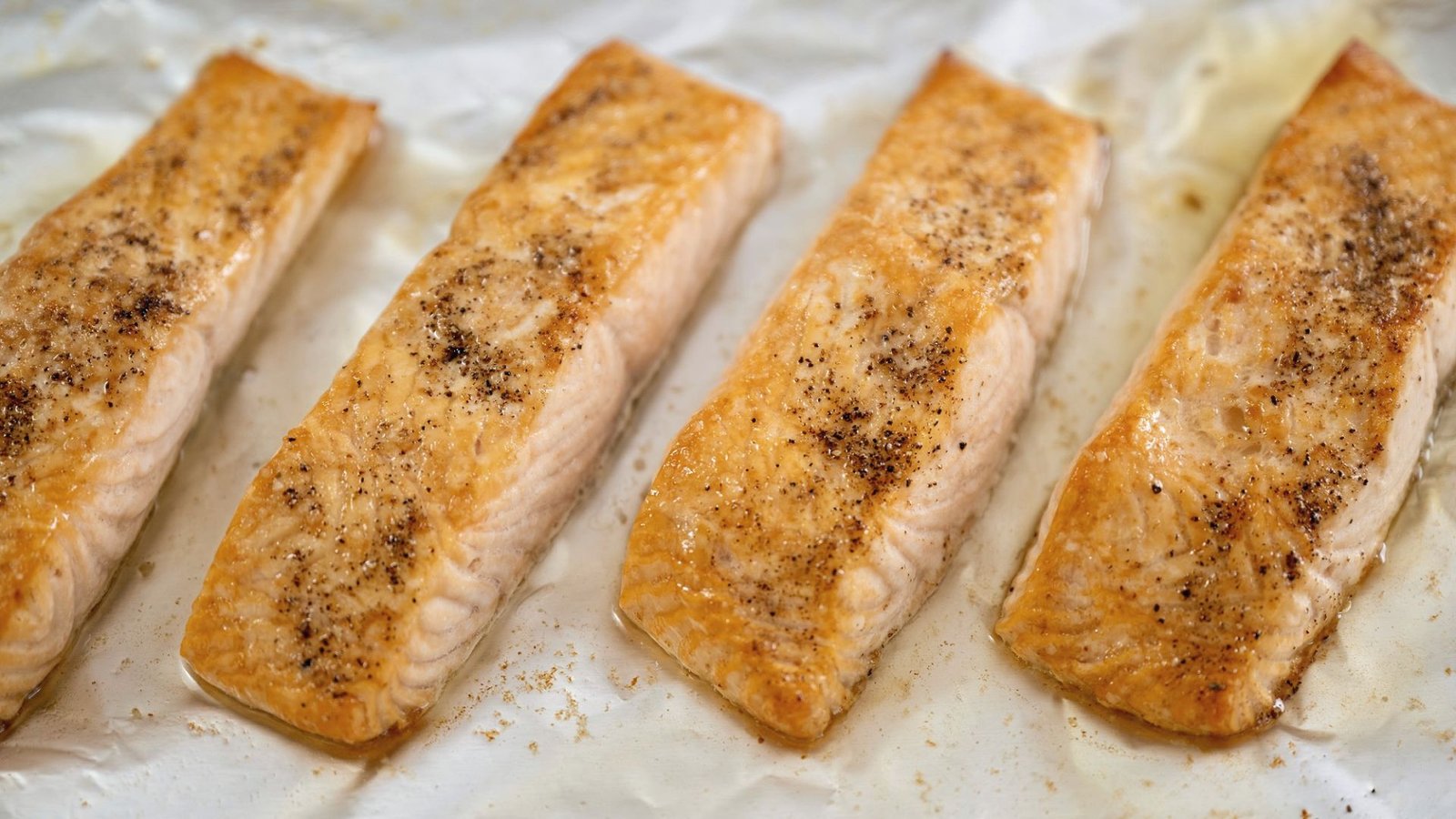
Overcooked salmon gets dry fast. Here's how to get it right every time.
Cooking Time Guide
Cooking time depends on the thickness of your fillet. Thin fillets under one inch take about three to four minutes per side.
Thick fillets over one inch need four to five minutes per side. Salmon chunks cook faster, around two to three minutes with occasional turning.
Always start on high heat for the sear, then lower it slightly to finish cooking through.
Texture and Doneness Cues
You don't always need a thermometer to check doneness. Press the salmon gently with a fork.
If it flakes easily and the color has shifted from dark pink to a lighter, opaque pink in the center, it is done.
The internal temperature should be around 125°F to 130°F for medium or 145°F for fully cooked. If the center still looks glassy or translucent, give it one more minute on the heat.
Tips for the Best Hibachi Salmon Recipe
Small changes in technique make a big difference in the final result.
- Use high heat to get a proper sear and golden crust on the salmon.
- Never crowd the pan or the salmon will steam instead of sear.
- Leave the salmon alone once it hits the pan until a crust forms before flipping.
- Always use fresh garlic and ginger for a sharper, cleaner flavor in the sauce.
- Add butter at the very end so it melts into a smooth glaze without burning.
Conclusion
Making hibachi salmon recipes at home is easier than most people think. You don't need a steakhouse grill or fancy tools. Just a hot pan, fresh ingredients, and a good sauce.
I made this for the first time on a weeknight and was genuinely surprised by how close it tasted to the restaurant version.
Pair it with fried rice and grilled vegetables for a full hibachi meal. Try it this week and let me know how it goes in the comments below!
Frequently Asked Questions
What is hibachi salmon made of?
Hibachi salmon is made with fresh salmon fillets cooked on high heat with oil and butter. The sauce typically includes soy sauce, garlic, ginger, and lemon juice.
Can I make hibachi salmon without a hibachi grill?
Yes, a cast iron or stainless steel pan works just as well at home. High heat is the key, not the grill itself.
How long does it take to cook hibachi salmon?
Thin fillets take about three to four minutes per side on high heat. Thicker cuts may need four to five minutes per side to cook through properly.
What sauce goes with hibachi salmon?
A simple mix of soy sauce, garlic, ginger, lemon juice, and a little honey makes a great hibachi sauce. Adding butter at the end gives it a rich, glossy finish.
What sides go well with hibachi salmon?
Hibachi fried rice, grilled vegetables, and yum yum sauce are classic pairings. For a lighter meal, brown rice or steamed vegetables work just as well.