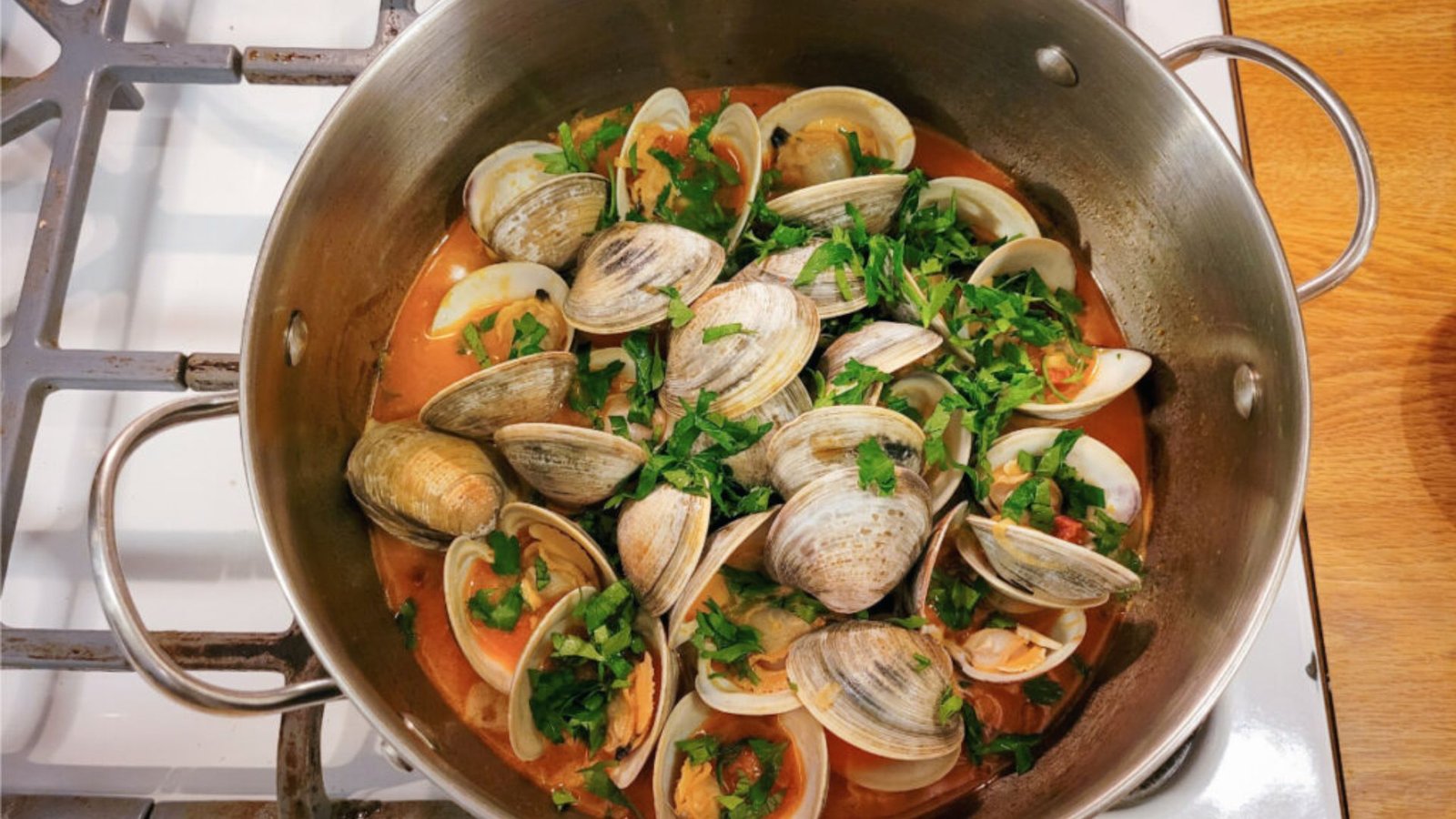
I've made little neck clams recipe with white wine & garlic more times than I can count and it never gets old.
This dish looks fancy but comes together in under 20 minutes. In this blog, I'll walk you through every step: picking fresh clams, building that garlic butter base, and getting the broth just right.
No experience needed. You'll get restaurant-quality results at home. I've tested this recipe multiple times so you don't have to guess.
Let's get straight to it.
Why This Steamed Little Neck Clams Recipe Is a Must-Try
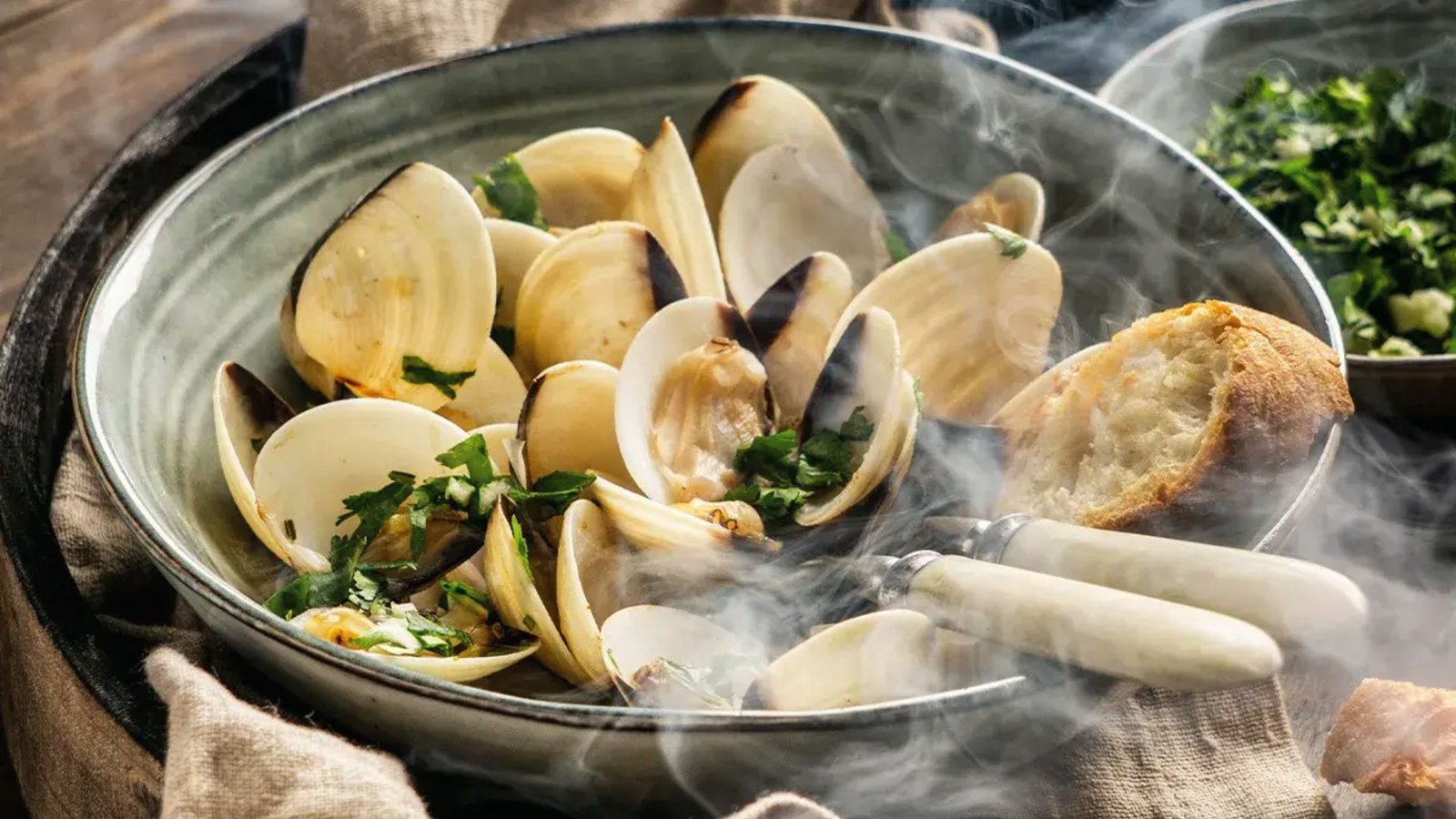
A fast, flavorful seafood dish that fits any meal no fuss, no special skills needed.
This recipe is quick, light, and packed with real flavor. You only need about 20 minutes from start to finish. Garlic, butter, white wine, and fresh clams do all the heavy lifting.
The broth they create is rich, savory, and worth soaking up with bread. Clams are high in protein and low in fat, so the dish feels filling without being heavy. Serve it as a starter or toss it over pasta for a full meal.
Ingredients for Little Neck Clams Recipe
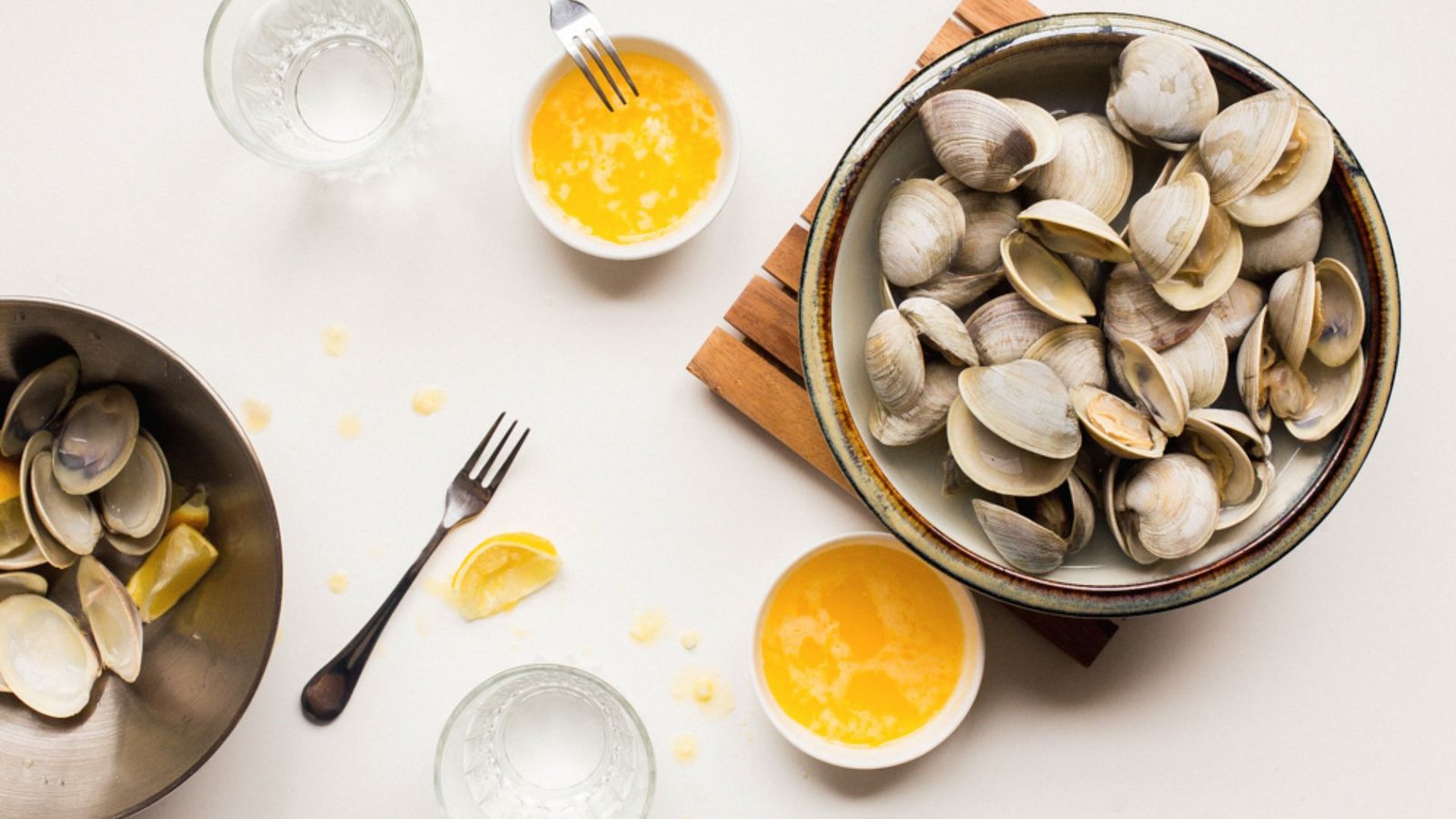
Everything you need is simple, easy to find, and comes together fast.
Essential Ingredients
These are the core items you need to make this dish work:
- Little neck clams (fresh) Go for tightly closed shells. Fresh clams make the biggest difference in flavor.
- Dry white wine Pinot Grigio or Sauvignon Blanc both work great. Use something you'd actually drink.
- Garlic Fresh cloves only. Pre-minced garlic from a jar won't give you the same depth.
- Butter and olive oil Together, they build the base of the broth. Butter adds richness, olive oil keeps it from burning.
How to Make Little Neck Clams Recipe (Step-by-Step)
Follow these four simple steps and you'll have a restaurant-worthy dish ready in under 20 minutes.
Step 1: Clean and Prep the Clams
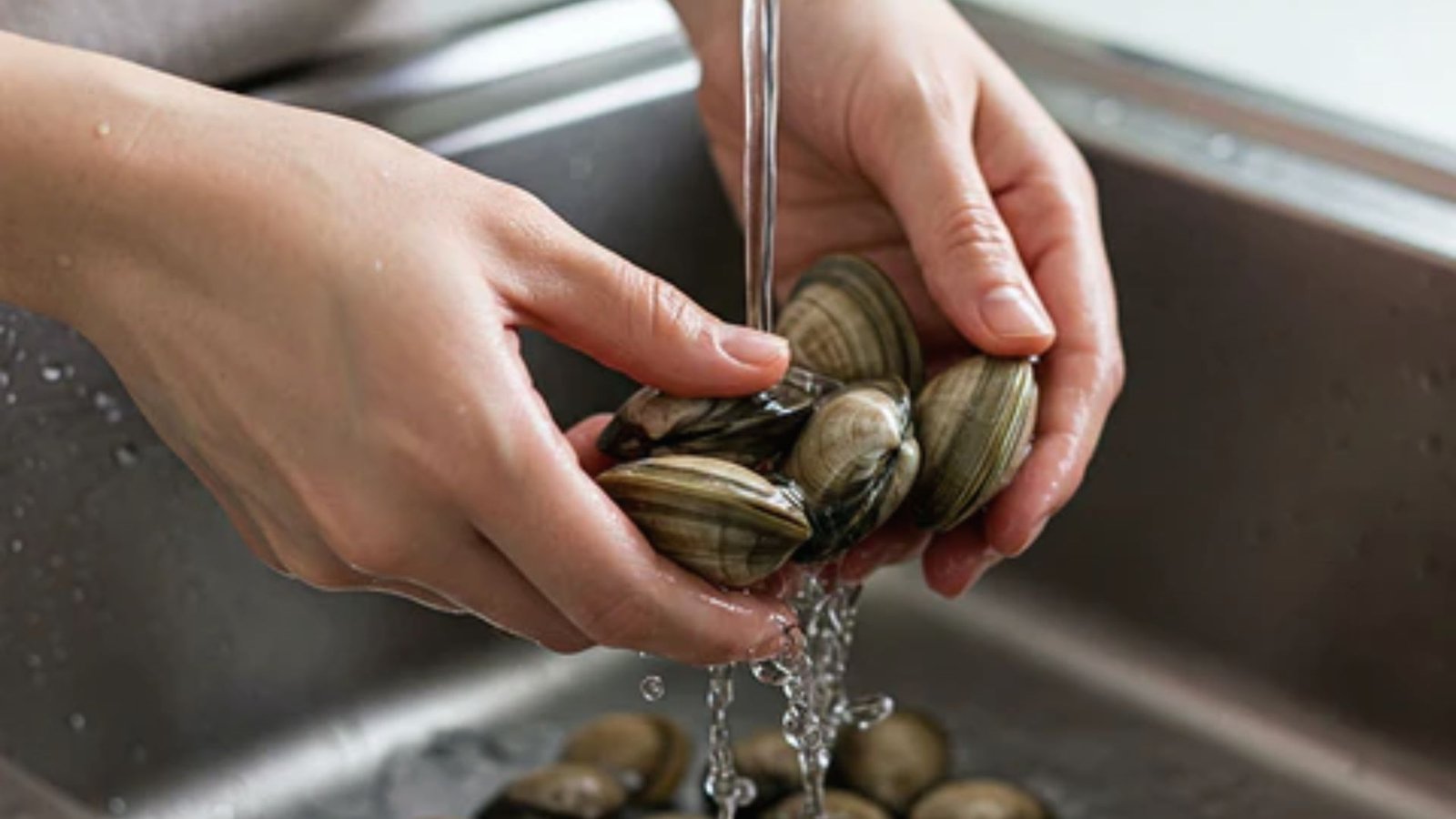
Start here. This step matters more than people think.
Fill a large bowl with cold water. Add a good amount of salt, similar to seawater. Place the clams in and let them soak for 20 to 30 minutes. This pulls out any sand or grit hiding inside the shells.
After soaking, scrub each shell under cold running water with a stiff brush. Check every clam. Toss any with cracked or broken shells. They are not safe to cook.
Step 2: Build the Garlic Butter Base
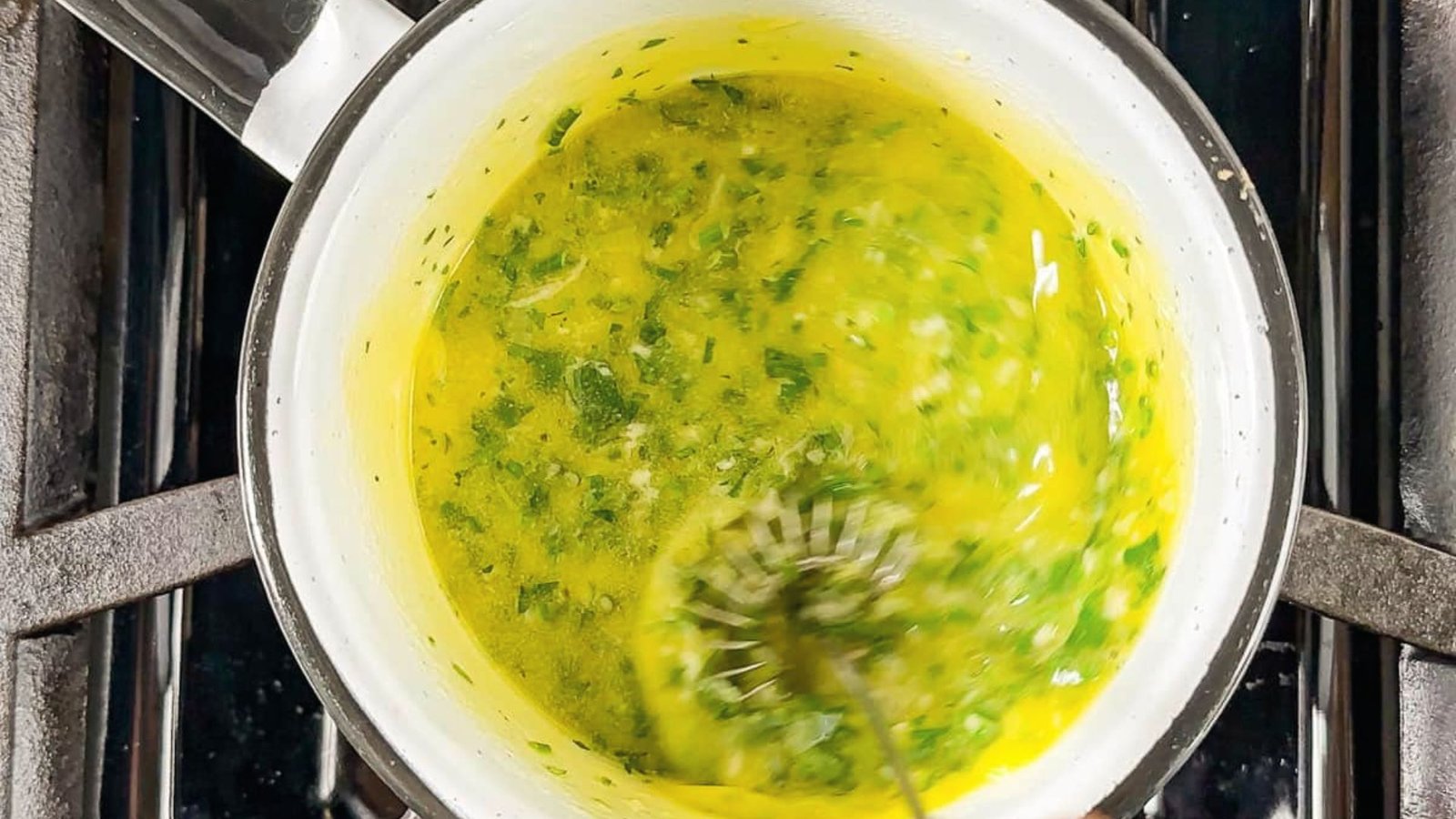
Heat a large pan or pot over medium heat. Add butter and a drizzle of olive oil. Once the butter melts, add your minced garlic and shallots.
Cook for about two minutes. Stir often so the garlic doesn't burn. You want it soft and golden, not brown. This is where the flavor of your broth begins.
Step 3: Add White Wine and Steam the Clams
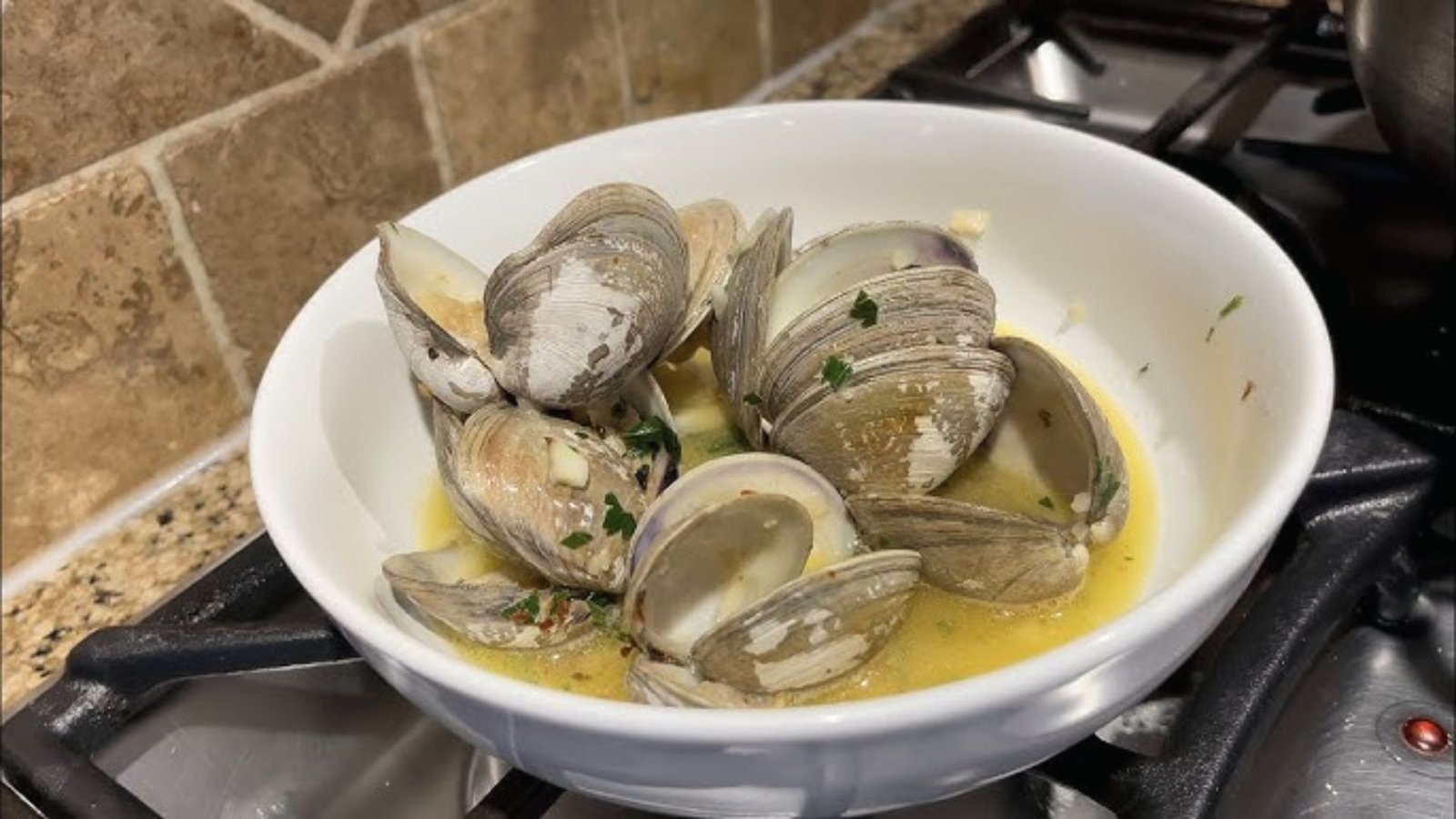
Pour in the white wine and let it simmer for one to two minutes. This cooks off the alcohol and concentrates the flavor.
Add the cleaned clams to the pot. Give it a quick stir. Put the lid on and steam for five to seven minutes. The clams are done when their shells open up fully.
Shake the pot once or twice while they cook so the heat spreads evenly.
Discard any clams that don't open after cooking. Do not force them open.
Step 4: Finish with Lemon and Fresh Herbs
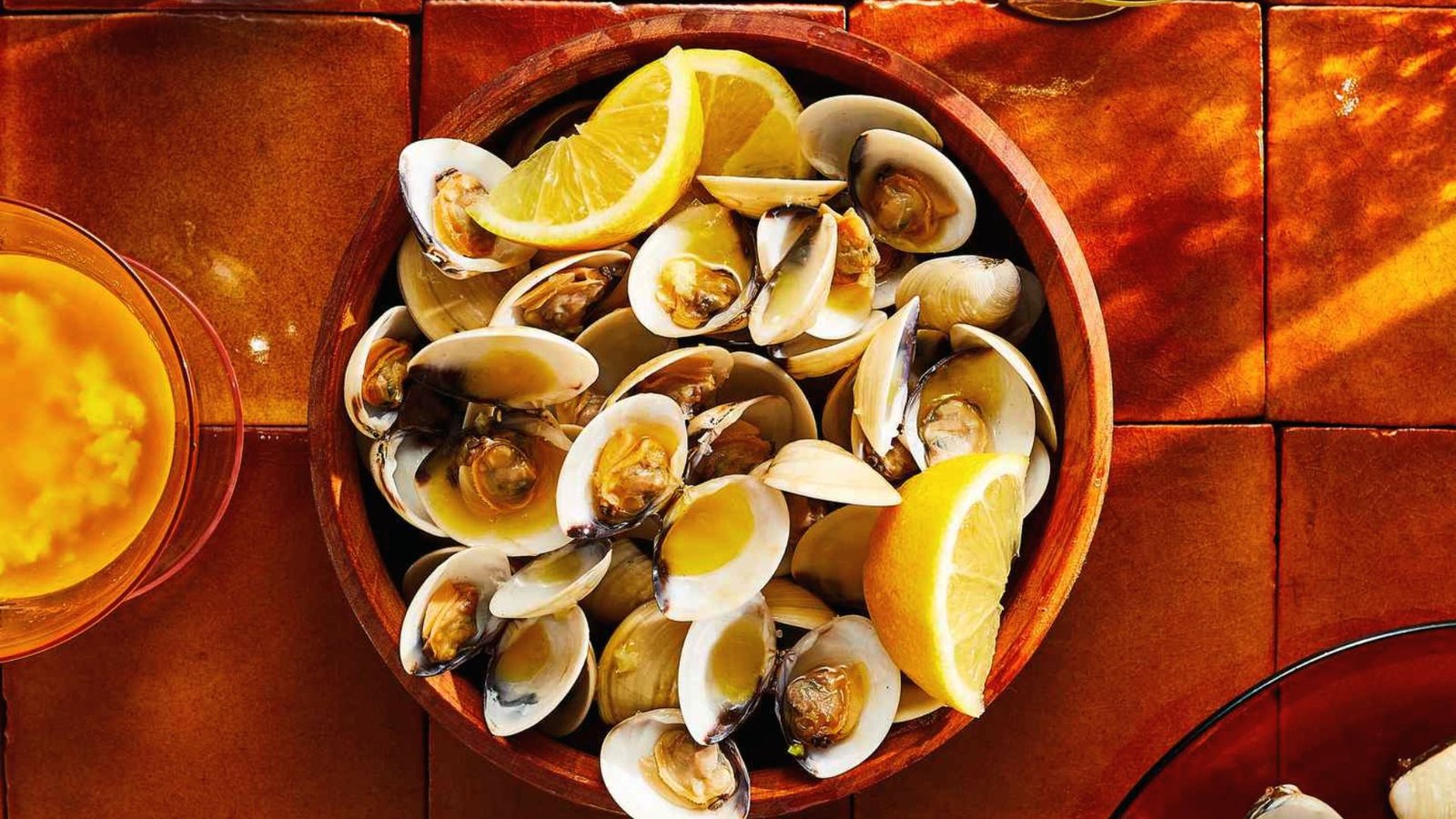
Once the clams are open, squeeze fresh lemon juice over the top. Add a generous handful of chopped fresh parsley.
Give it one last stir and serve immediately. The broth at the bottom of the pot is just as good as the clams themselves. Don't let it go to waste.
How to Clean Little Neck Clams Properly
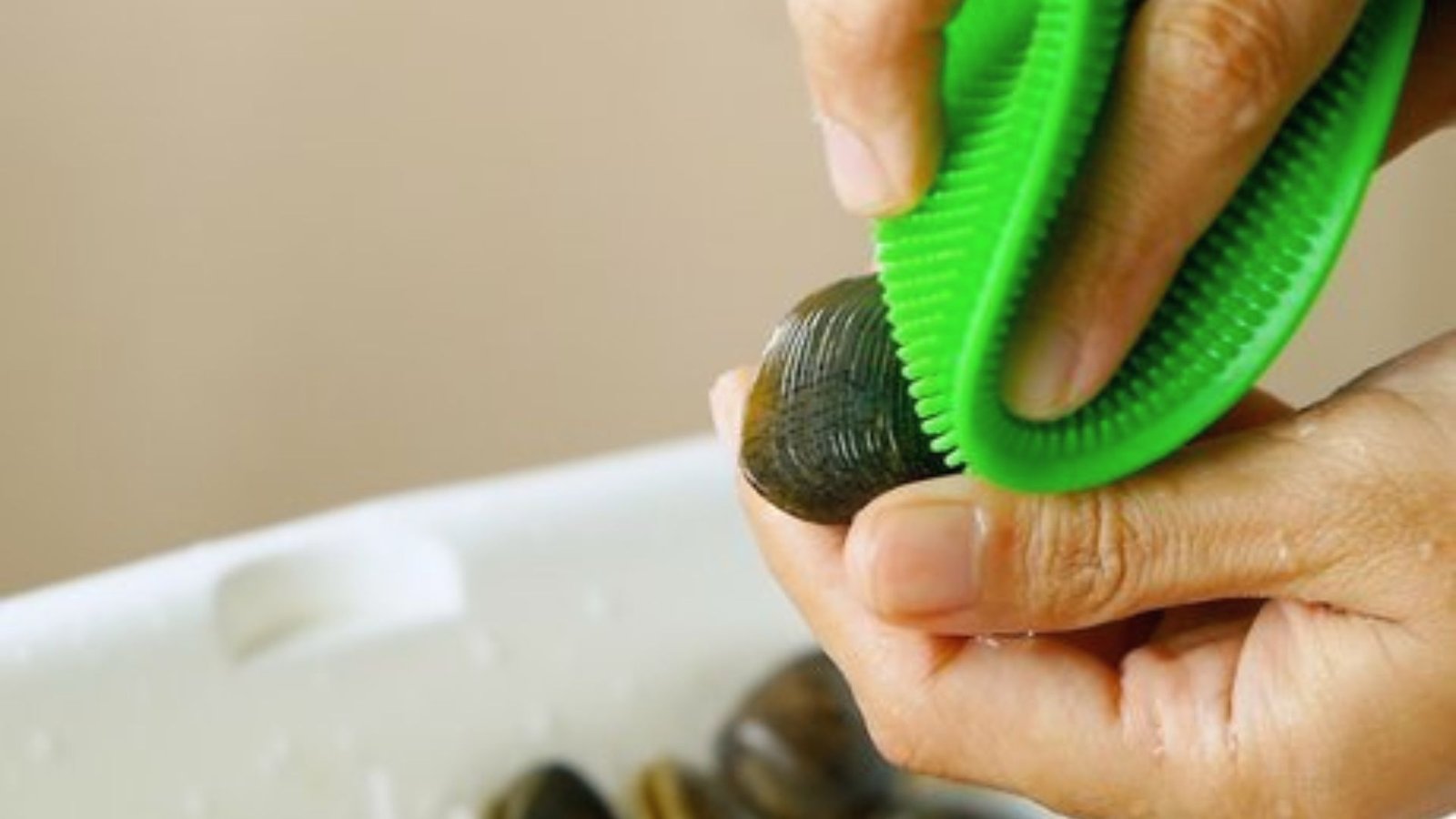
Cleaning clams the right way means no gritty bites and a much better broth.
Removing Sand and Grit
Saltwater soak is the most reliable method. Here's how to do it correctly:
Fill a large bowl with cold water. Add one to two tablespoons of salt per quart of water.
The salt mimics the ocean and encourages the clams to filter the water through their shells, pushing out any sand inside.
Let them soak for at least 20 minutes. Some cooks go up to an hour. After soaking, lift the clams out of the water instead of pouring them through a strainer.
Pouring would dump all the released sand right back onto the clams.
Scrub each shell under cold running water before cooking.
How to Know If Clams Are Fresh
Check the shells first. Fresh clams should be tightly closed. If a shell is open, tap it firmly on the counter. A live clam will close back up within a few seconds. If it stays open, throw it away.
Avoid clams with cracked, broken, or chipped shells entirely. Also trust your nose. Fresh clams smell like the ocean. A strong or sour smell is a clear sign they are not fresh.
What to Serve with Little Neck Clams
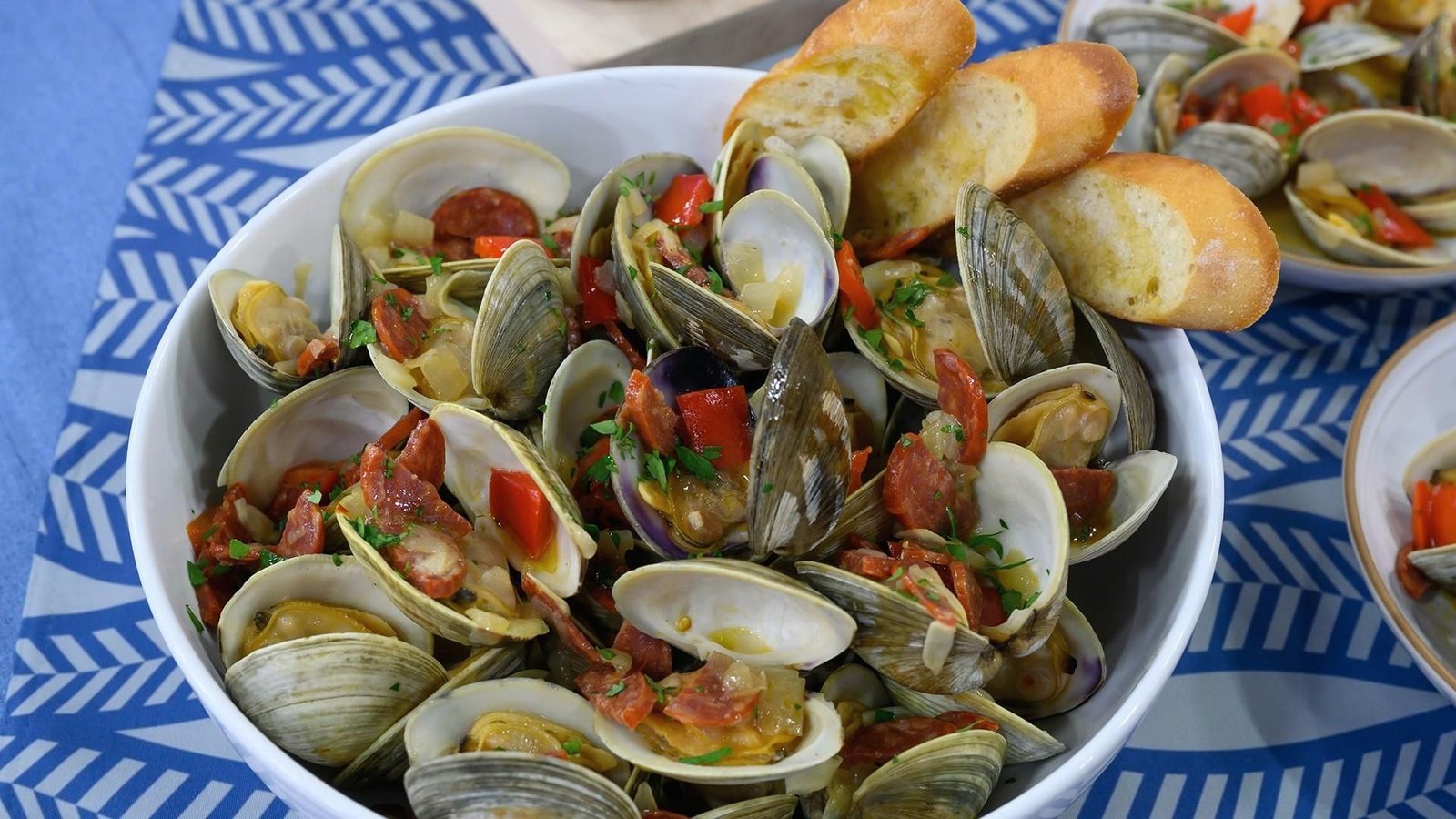
The right side dish turns this into a complete, satisfying meal.
Crusty Bread
It is the top pick. The broth in the pot is garlicky, buttery, and full of flavor. A thick slice of sourdough or a French baguette soaks it up perfectly. Don't skip this.
Linguine or Pasta
It is the move if you want a full dinner. Cook the pasta separately and toss it straight into the clam pot at the end. The broth coats every strand and turns into its own sauce.
A Light Salad or Grilled Vegetables
This works well on the side if you want to keep the meal on the lighter side. Grilled zucchini, asparagus, or a simple green salad with lemon dressing all pair well without overpowering the clams.
Expert Tips for Perfect Little Neck Clams Recipe
These small details make a real difference between good clams and great ones.
- Stop cooking the moment shells open. Any longer and the clams turn rubbery and tough.
- Always use fresh clams. Fresh beats frozen every time when it comes to flavor and texture.
- Use a wine you'd actually drink. A simple dry white wine makes the broth taste far better than bottled cooking wine.
- Keep the lid slightly cracked. This prevents trapped heat from overcooking the clams while they steam.
- Throw away any clams that stay closed. Do not force them open. They are not safe to eat.
Conclusion
This little neck clams recipe with white wine & garlic is one of those dishes I keep coming back to. It's fast, simple, and always impresses.
I made it for friends once and they thought I had spent hours in the kitchen. Try the garlic butter version, go spicy, or add chorizo for something bold.
Every variation is worth it. Give this recipe a go this week and let me know how it turned out. Drop a comment below. I'd love to hear what you think!
Frequently Asked Questions
How long do you cook little neck clams?
Steam little neck clams for five to seven minutes over medium-high heat. Stop as soon as the shells open fully.
Can I make this recipe without white wine?
Yes. Swap the wine with chicken broth, vegetable stock, or plain water with a squeeze of lemon. The flavor stays great.
What is the best wine for steamed clams?
Pinot Grigio and Sauvignon Blanc are the top choices. Both are dry, light, and pair well with garlic and butter.
How do I store leftover cooked clams?
Place leftovers in an airtight container and refrigerate for up to two days. Reheat gently on the stove with a splash of broth.
Can I use frozen clams for this recipe?
Fresh clams work best here. If you must use frozen, thaw them fully in the fridge overnight before cooking for better texture.