I have made deer sausage recipes many times, and I know how tricky it feels at first. This guide covers everything from picking the right cuts to smoking finished links.
You will learn how to grind, season, stuff, and cook venison sausage the right way. No guesswork. No wasted meat.
I have spent years making venison at home, and every tip here comes from real kitchen experience.
By the end, you will have a full ingredient list, grinding steps, stuffing tips, cooking guides, and storage advice all in one place.
Why Homemade Deer Sausage Recipes Are Popular
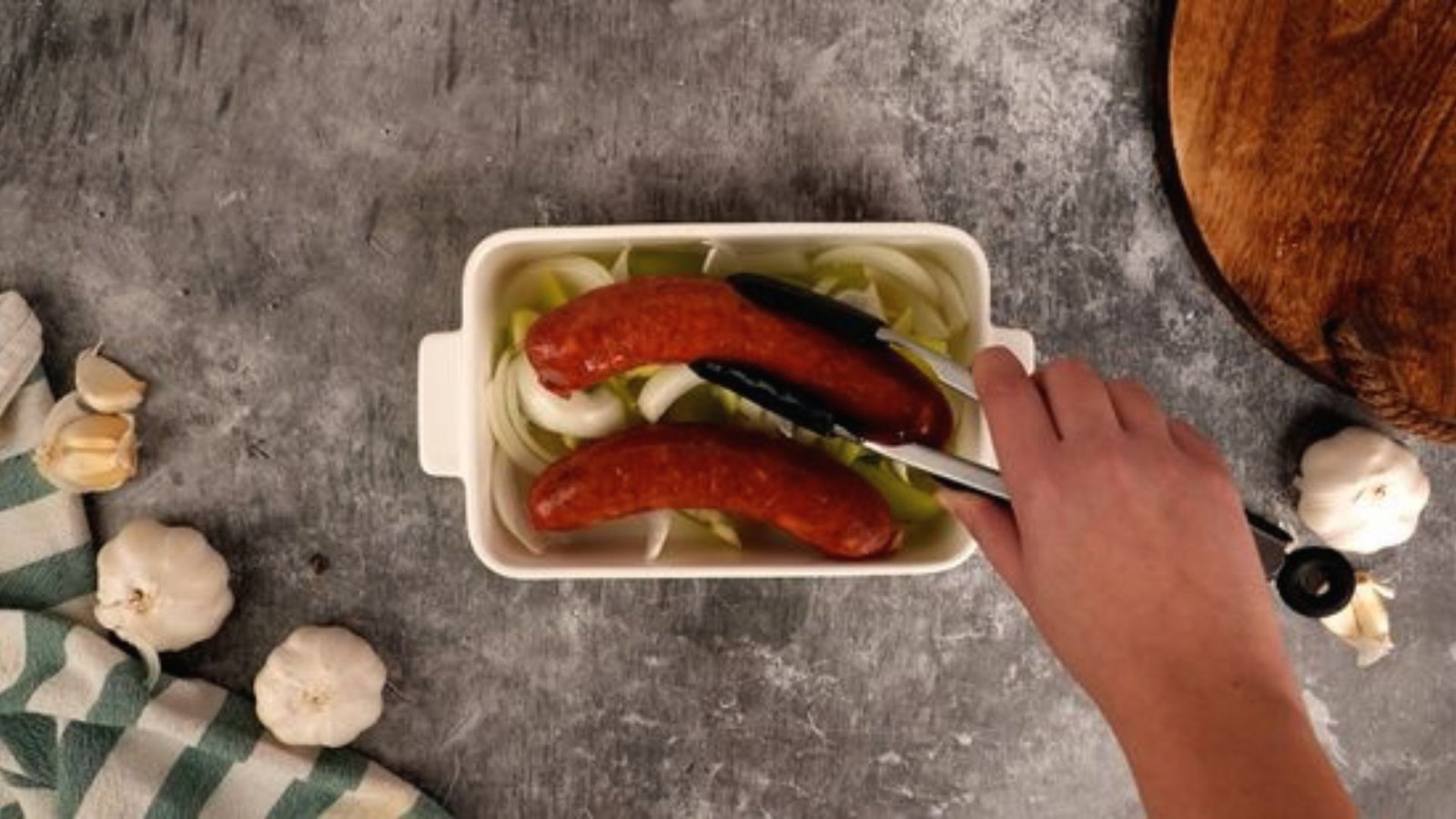
Homemade deer sausage recipes have grown popular for very simple reasons. First, they save money.
Processing your own deer costs far less than buying sausage from a store. Second, you control every ingredient. No fillers, no unknown preservatives, and no added junk.
Third, the flavor is hard to beat. Fresh venison sausage has a deep, bold taste that store-bought products rarely match.
More hunters are turning harvested deer into quality food at home, and once you try it, it is hard to go back.
Homemade Deer Sausage Recipe: Everything You Need to Make It Right
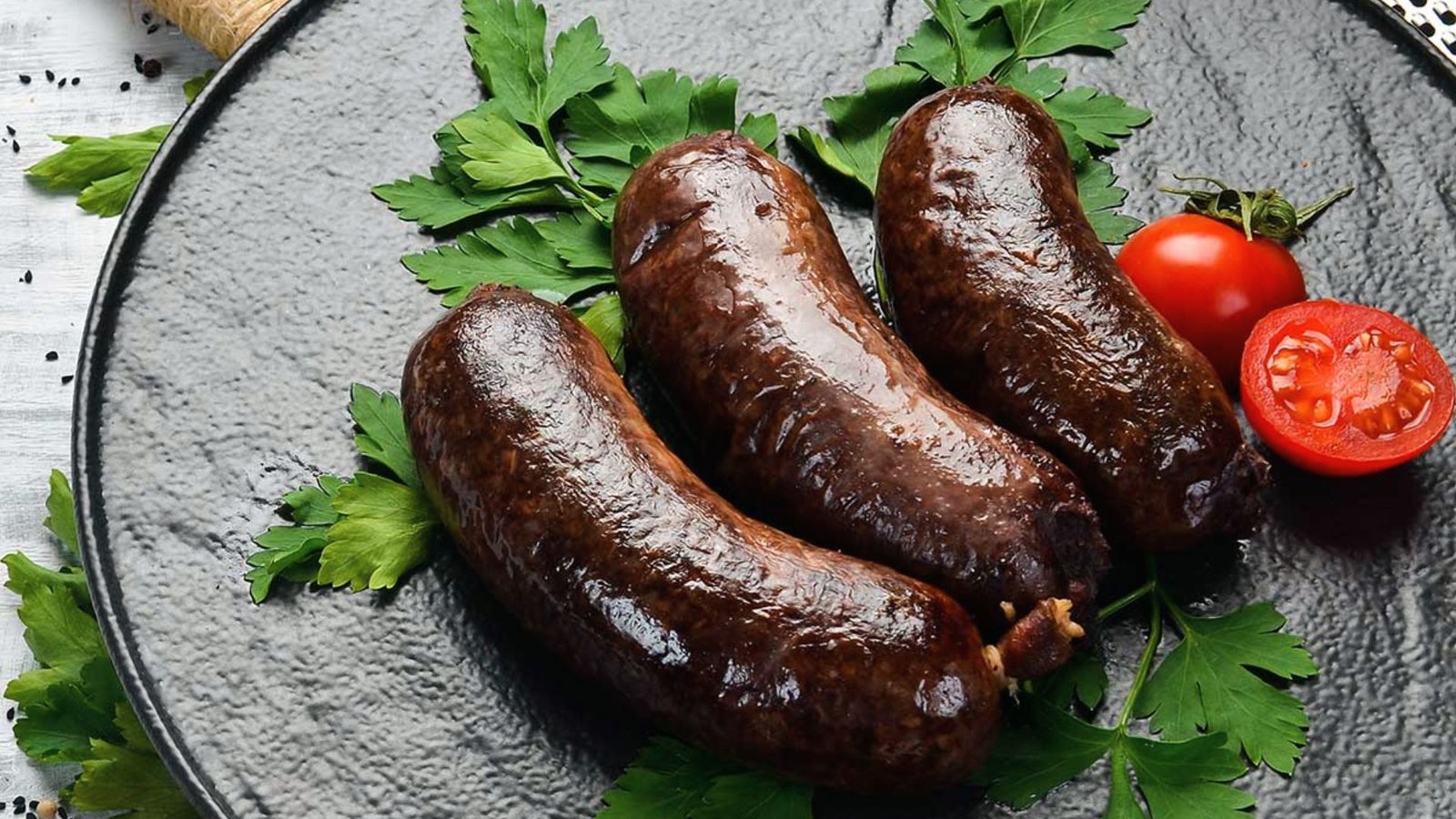
A simple, bold venison sausage made from scratch with real ingredients and zero guesswork.
Ingredients You Need to Get Started
You will need 3 to 4 pounds of venison from the shoulder, neck, or hindquarter along with 1 to 1.5 pounds of pork fat or pork shoulder to keep the sausage juicy and well-textured.
Add salt, black pepper, garlic powder, optional red pepper flakes or fennel, cold water, and natural hog casings to complete your ingredient list.
How to Grind and Mix Your Deer Sausage
Chill your venison and grinder parts for 30 minutes, then grind through a coarse plate and optionally a fine plate for a smoother texture.
Mix in your seasonings and cold water by hand for 3 to 5 minutes until the meat turns sticky, then cook a small test patty to confirm the flavor before stuffing.
How to Stuff, Rest, and Cook Your Sausage Links
Soak casings for 30 minutes, slide them onto the stuffer tube, and fill slowly while twisting links in alternating directions to keep them from unwinding.
Rest the finished links in the fridge for at least 4 hours, then cook to an internal temperature of exactly 160°F for safe, juicy results.
Step-by-Step Homemade Deer Sausage Recipes
Follow these four steps in order and you will have well-made deer sausage every single time.
Step 1: Mix Meat and Seasonings
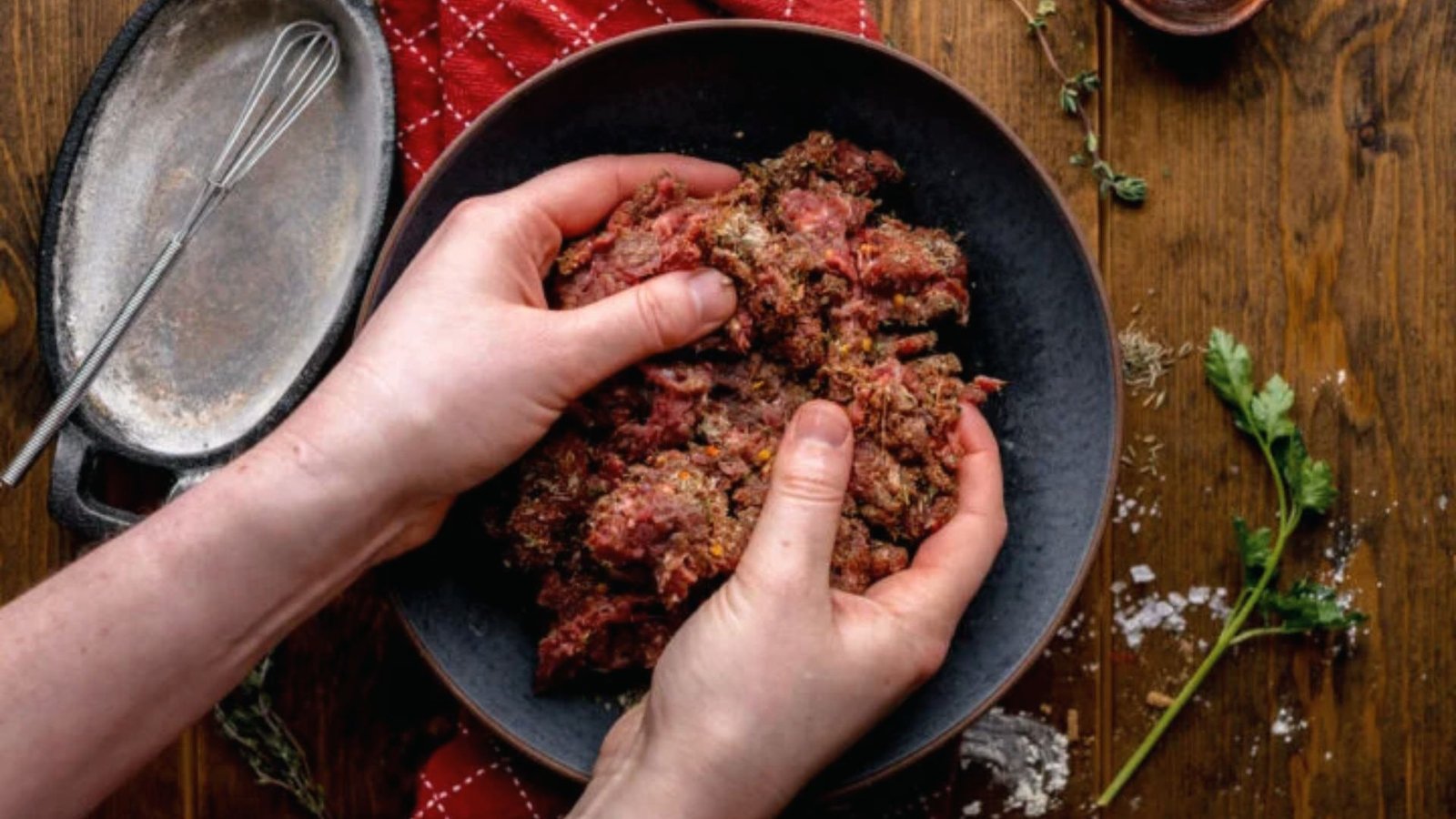
Place your ground venison and pork fat in a large, cold mixing bowl. Add your pre-mixed seasonings on top.
Mix by hand for 3 to 5 minutes. You want the meat to become slightly sticky. This stickiness means the proteins are binding together. That gives the sausage a firm texture after cooking.
Do not rush this step. Add cold water during mixing to help seasonings spread evenly.
Step 2: Test Flavor Before Stuffing
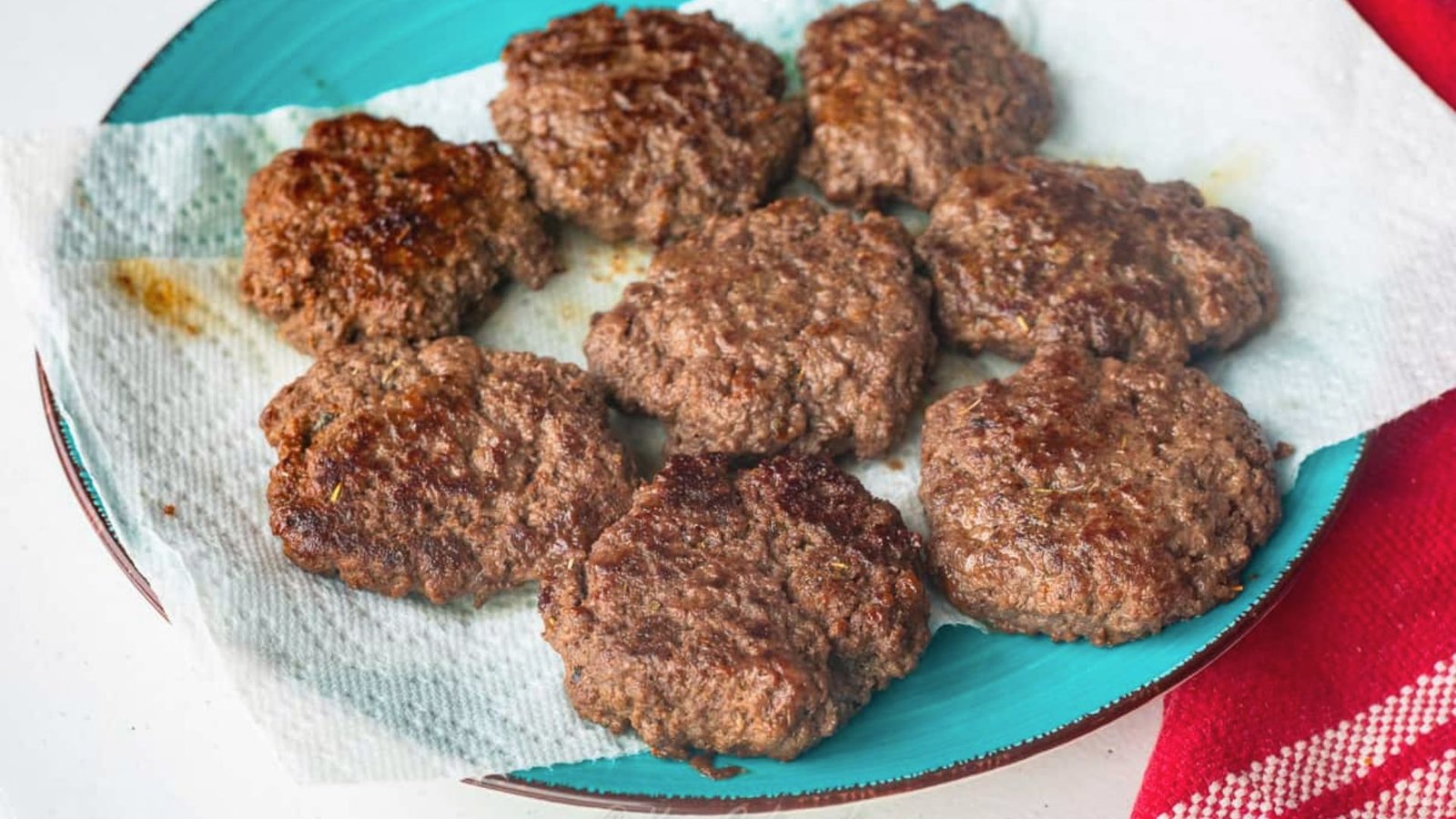
Always cook a small test patty before stuffing any casings. This is the most important quality check in the whole process.
Take a tablespoon of the seasoned mixture and cook it in a dry pan over medium heat. Let it cool, then taste it.
Is it salty enough? Does it need more pepper or garlic? Fix the seasoning now. Once the meat is in casings, you cannot change anything.
Step 3: Stuff Casings and Form Links
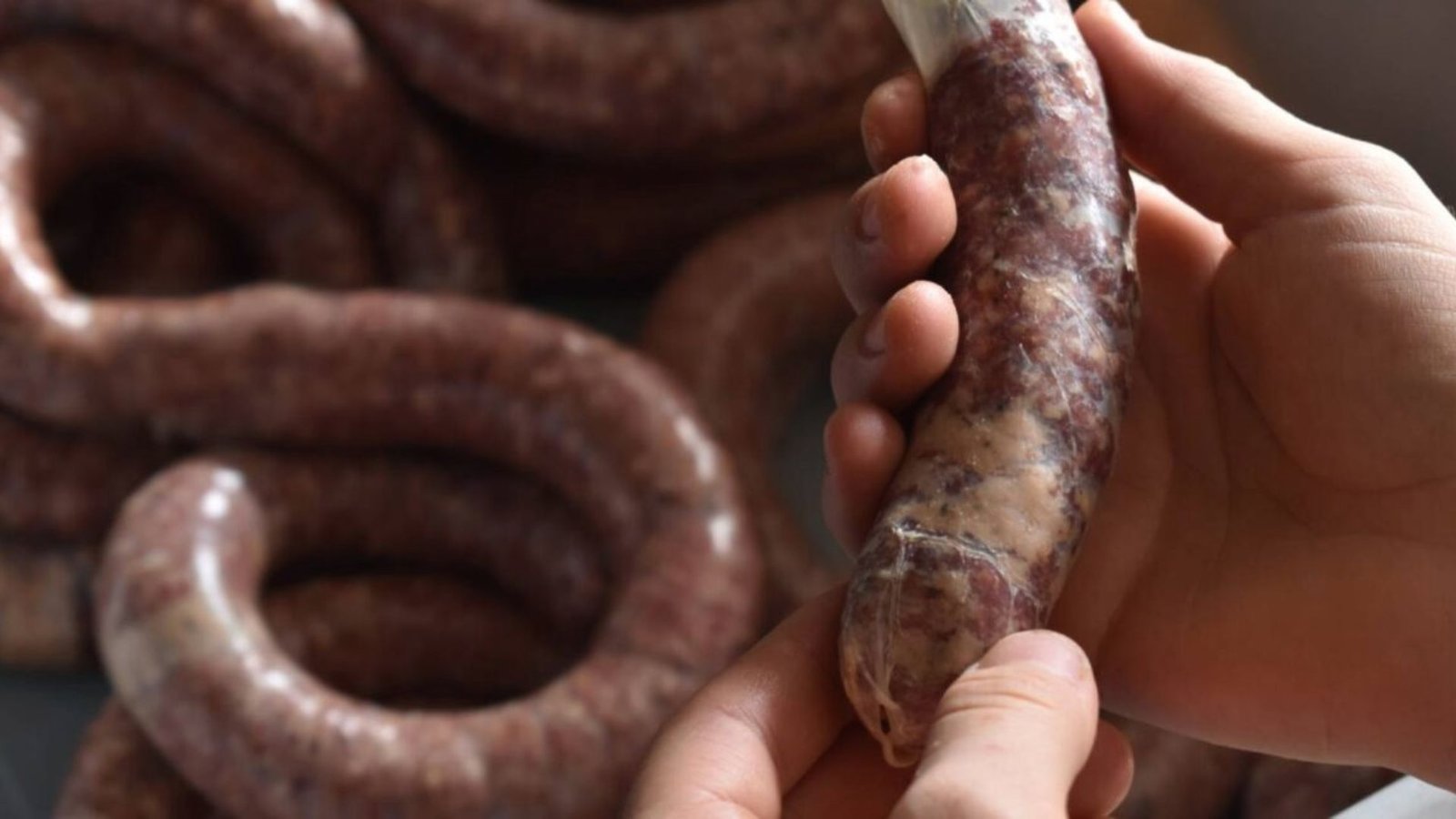
Soak natural hog casings in warm water for 30 minutes. Rinse them well inside and out.
Slide the casing onto your stuffer tube. Fill the stuffer with meat and push slowly. Do not overfill. Overfilling causes blowouts when you twist the links.
To form links, pinch the sausage at your desired length and twist forward two to three times. Then pinch the next link and twist backward. Alternate directions to keep links from unwinding.
Aim for consistent link sizes. Even links cook at the same rate.
Step 4: Rest Sausage for Better Texture
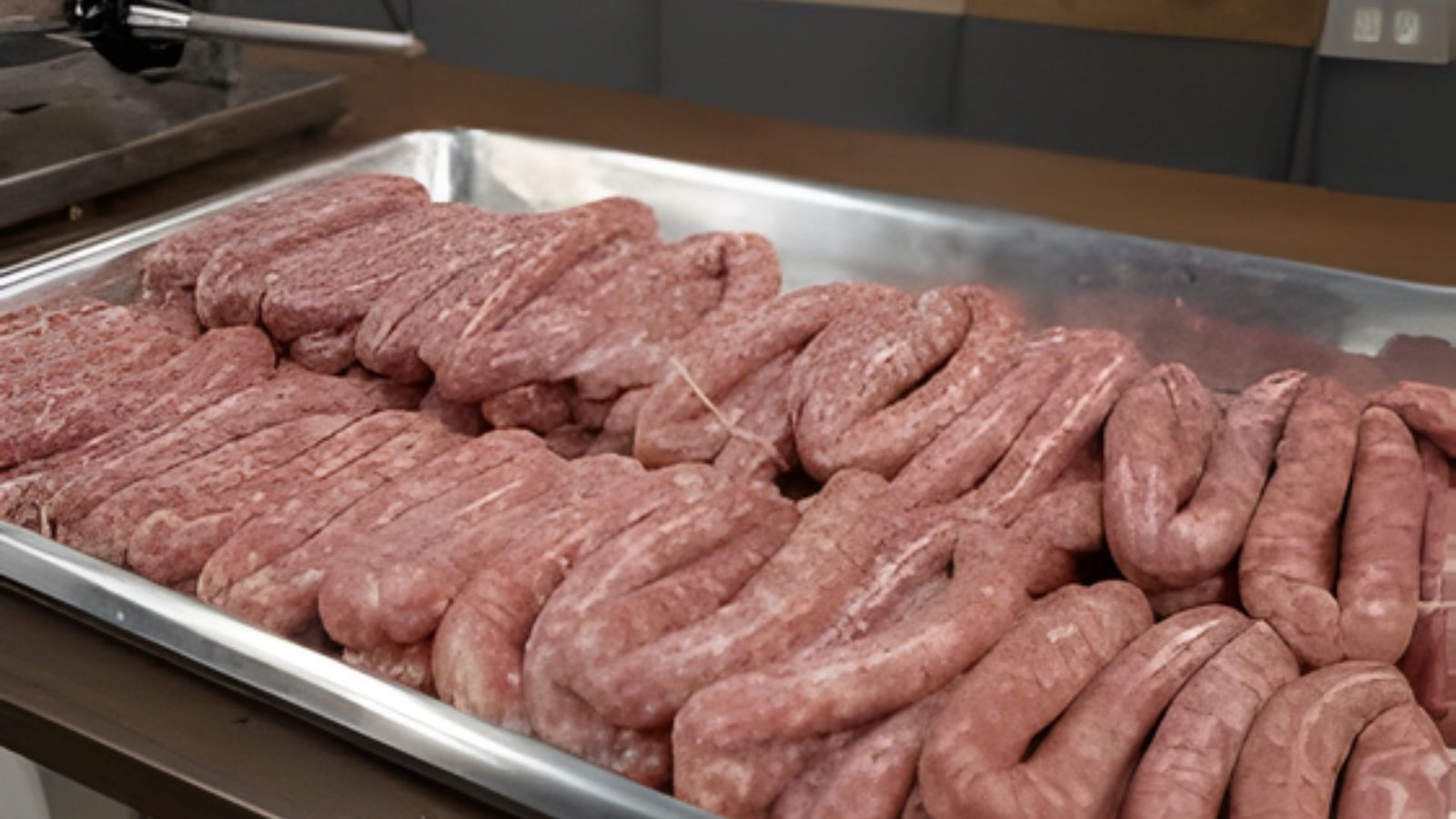
After stuffing, lay the links on a rack and let them rest uncovered in the fridge for at least 4 hours. Overnight is better.
This rest period allows the casings to dry slightly. The flavors also settle into the meat. It firms up the sausage so it holds its shape better during cooking.
Skipping this step often results in sausage that splits open or loses its snap.
Pro Tips for Perfect Deer Sausage Recipes
Small adjustments and smart habits can take your deer sausage from good to something people ask for again and again.
- Keep your meat-to-fat ratio at 80% venison and 20% fat for juicy, well-textured sausage every time.
- Always use pork back fat or pork shoulder as your fat source for the best flavor and moisture.
- Never skip the fat. Pure venison sausage dries out fast and loses its eating quality during cooking.
- Pull sausage off heat at exactly 160°F. Even a few degrees over will dry it out quickly.
- Add a small amount of cold water or ice chips during mixing to keep the mixture moist and well-bound.
Conclusion
Making deer sausage recipes at home is one of the most rewarding things I have done in the kitchen. I still remember my first batch.
It was a little salty, but the texture was spot on. You now have everything you need to get started. Take your time, follow the steps, and do not skip the test patty.
Try one batch this week and leave a comment below telling me how it went. If this guide helped you, share it with a fellow hunter or home cook who could use it.
Frequently Asked Questions
Can I make deer sausage without a sausage stuffer?
Yes, you can use a grinder with a stuffing tube attachment. It is slower and less precise, but it gets the job done for small batches.
Do I have to add pork fat to deer sausage?
Yes, adding fat is important. Venison is very lean on its own, and without added fat the sausage will turn dry and crumbly during cooking.
How do I know when my deer sausage is fully cooked?
Always use a probe thermometer. The internal temperature must reach 160°F. Do not rely on color alone, as venison can look dark before it is fully cooked.
Can I freeze deer sausage after smoking it?
Yes, smoked deer sausage freezes well. Vacuum seal it for the best results and use it within 2 to 3 months for the freshest flavor.
What is the best wood for smoking deer sausage?
Hickory, apple, cherry, and pecan all work great with venison. Avoid mesquite, as its strong flavor can easily overpower the meat.